Latin America is one of the most biodiverse regions on Earth,
and that diversity is the foundation of everything we trade.
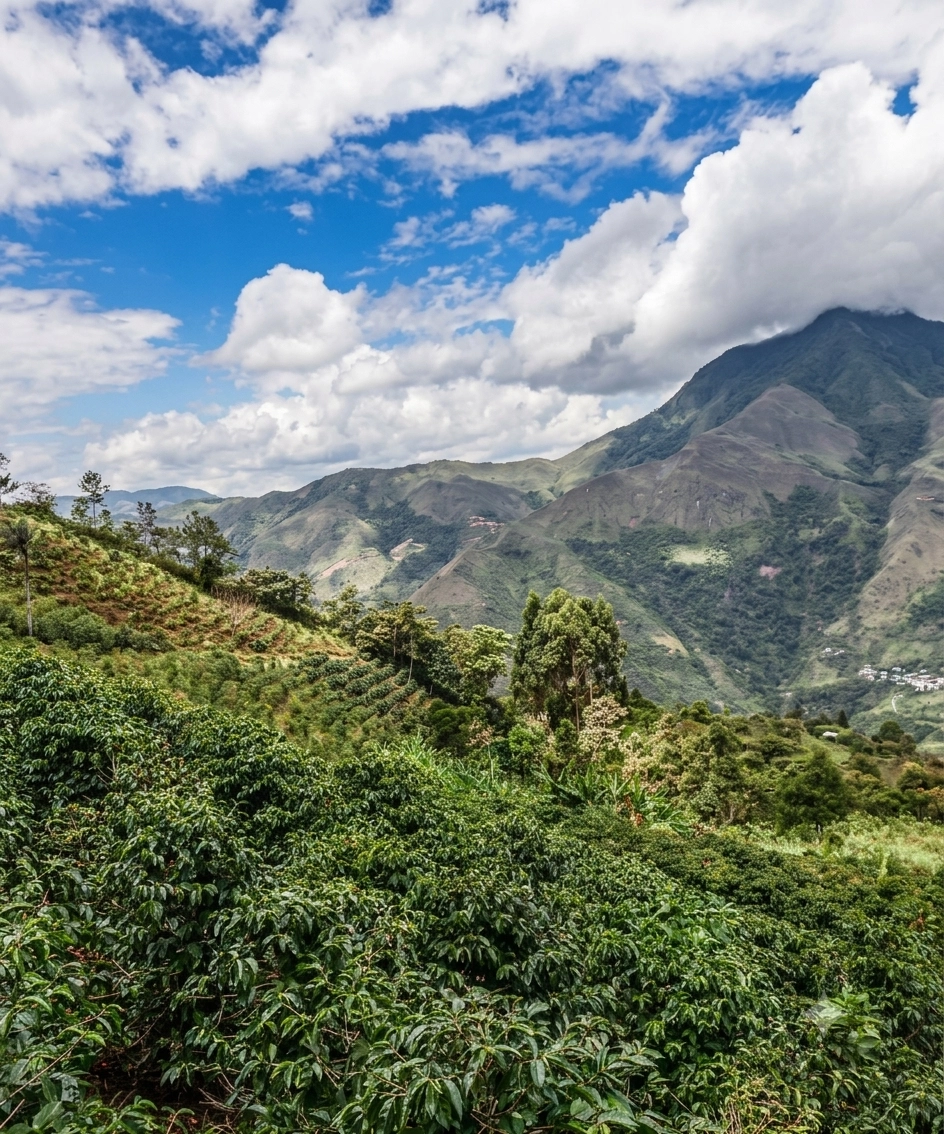
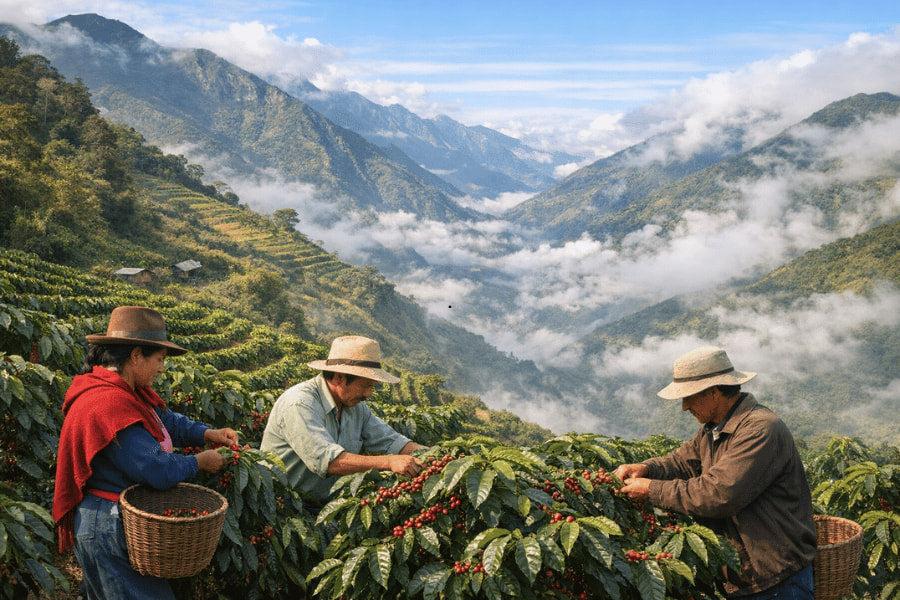
From the Andes - the world's longest continental mountain range,
spanning seven countries - down through cloud-forest valleys
into the Amazon basin, the continent's altitude bands and
climates each carry their own soil, rainfall and microclimate,
shaping a different crop, a different flavour, a different
quality.
The Amazon rainforest alone is home to an estimated 10% of the
world's known biodiversity, and stretches across nine countries
- with roughly 60% of it contained within Brazil. Layered onto
this is a chain of Andean microclimates running the length of
the continent, giving Latin America one of the widest ranges of
growing conditions found anywhere on the planet. This is why
Latin America is recognised globally not just for the scale of
what it grows, but for the quality behind it: the continent is
home to 6 of the world's 17 megadiverse countries - Bolivia,
Brazil, Colombia, Ecuador, Peru and Venezuela - each holding a
significant share of the planet's flora and fauna.
Peru alone accounts for 84 of the world's 104 recognised life
zones and 28 of the planet's 32 climates. Most of what we trade
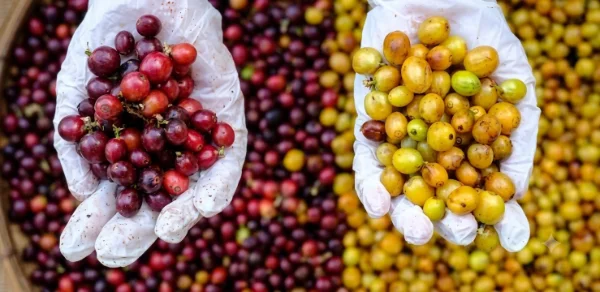
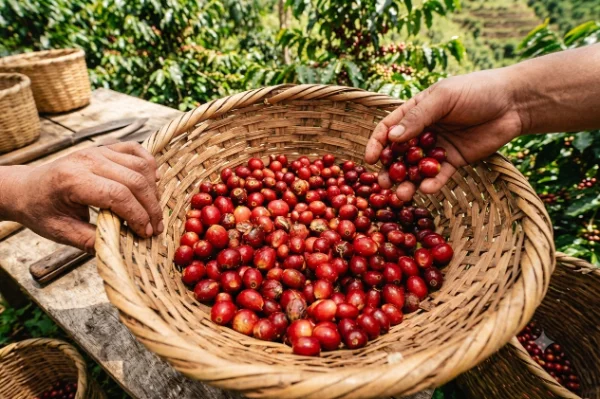
is grown by smallholder family farmers across these countries -
many organic, many certified - working plots shaped by
generations of knowledge of their specific valley or
microregion, rather than by industrial-scale monoculture.
60%
of the Amazon rainforest lies within Brazil
28 / 32
of the planet's climates in Peru
6/17
of the world's megadiverse countries found in Latin America
9
countries share the Amazon rainforest
10%
of the world's known biodiversity found in the Amazon alone